The article author is making a few good points about The Handy Guide To Fixing Your Garbage Disposal Leaking in general in this great article further down.
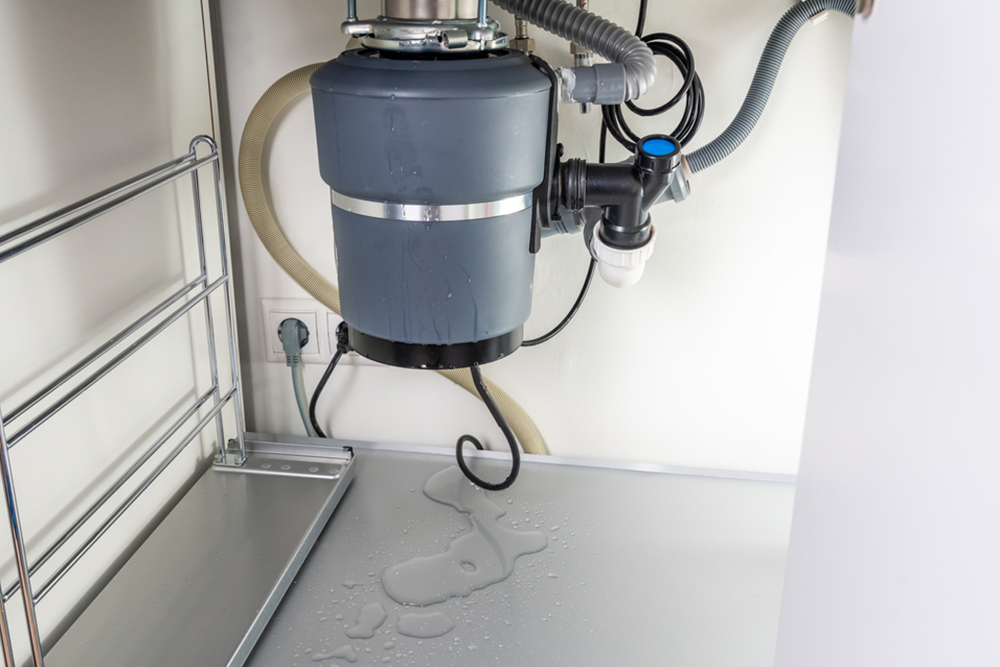
Waste disposal unit are important kitchen area home appliances that help in taking care of food waste efficiently. Nonetheless, a dripping waste disposal unit can be a discouraging and untidy trouble to deal with. The good news is, several leakages can be taken care of quickly with a few straightforward actions. In this write-up, we will go over exactly how to take care of a leaking garbage disposal effectively.
Introduction
Waste disposal unit are set up under kitchen sinks and are designed to shred food waste into smaller sized items, enabling it to travel through the plumbing system easily. While these gadgets are usually reputable, leakages can happen in time due to deterioration, loosened links, or damages to the system.
Step-by-Step Guide to Repairing a Leaking Garbage Disposal
Switch off the Power
Prior to attempting any repair services, ensure that the power to the waste disposal unit system is switched off to prevent the threat of electrical shock.
Find the Leak
Recognize the exact area of the leak and determine the cause
Tighten up Links
Use a wrench to tighten up any kind of loosened links in between the disposal unit and the plumbing system.
Change Seals or Gaskets
If the leakage is due to used seals or gaskets, get rid of the old components and change them with brand-new ones.
Patching Splits or Holes
For fractures or openings in the disposal system, usage epoxy or an appropriate patching material to secure the broken area.
Recognizing the Source of the Leak
Before attempting to deal with a leaking waste disposal unit, it is necessary to identify the source of the leakage. This can normally be done with aesthetic examination or by performing straightforward examinations.
Visual Evaluation
Check the garbage disposal system very carefully for any indications of water leakage. Pay very close attention to locations around seals, gaskets, and link factors.
Checking for Leakages
One method to check for leaks is by running water with the disposal unit and checking for any type of noticeable indicators of leakage.
Usual Root Causes Of Leaks in Trash Disposals
Worn Seals and Gaskets
Seals and gaskets play a crucial role in protecting against water from leaking out of the waste disposal unit. Over time, these elements can degrade, leading to leaks around the disposal device.
Loose Connections
The links in between the waste disposal unit and the pipes system can end up being loose with time, triggering water to leak out during procedure.
Cracks or Openings in the Disposal System
Physical damages to the waste disposal unit, such as splits or holes in the real estate, can also result in leaks.
Devices and Products Needed for Taking Care Of a Dripping Waste Disposal Unit
Before starting the repair procedure, collect the required tools and products, consisting of a screwdriver, adjustable wrench, plumbing professional's putty, substitute seals or gaskets, and epoxy or patching product for fixing fractures or holes.
Testing the Waste Disposal Unit After Fixing
When the repair work is total, evaluate the waste disposal unit by running water with it to make sure that the leakage has been solved.
Preventive Upkeep Tips to Avoid Future Leakages
To avoid future leaks, it is necessary to perform routine upkeep on your garbage disposal. This includes keeping it tidy, preventing putting non-food products or tough items down the disposal, and occasionally looking for leaks or other concerns.
Final thought
Finally, repairing a dripping waste disposal unit is a reasonably uncomplicated procedure that can be completed with basic tools and products. By following the steps outlined in this short article and practicing preventive upkeep, you can keep your garbage disposal in good working condition and prevent costly repair work in the future.
HOW TO REPAIR A LEAKING GARBAGE DISPOSAL
The first thing to do if your garbage disposal starts to leak or exhibits other symptoms of wear and tear is to inspect the appliance quickly. Before making any repairs, check for any obvious cracks or damaged parts and turn the disposal off at the power source. Once you have located the issue, several tools might assist you in solving it. Many resources are available to assist you in putting your disposal back in working order, whether by purchasing new parts or professional assistance from a repair technician. So immediately act if you need help with leaky garbage disposal. You can rapidly resolve the problem and enjoy smoothly functioning appliances with thorough troubleshooting and help from web resources.
Food waste is disposed of using a garbage disposal system, which grinds and flushes it down the toilet. A garbage disposal is a motorized device with one or more rotating blades that grinds up food waste into little bits. They are commonly found under the kitchen sink. A dishwasher inlet or connector is often built into garbage disposals, allowing extra water to drain into the sink’s dishwasher. Several things, such as clogs, worn-out components, or damage to the inside walls of the unit, can bring on garbage disposal leaks or other problems.
WHAT ARE SOME COMMON PROBLEMS WITH GARBAGE DISPOSALS?
Jamming: One of the most frequent issues with garbage disposals is jamming. It occurs when hard or fibrous materials, such as bones, potato peels, or fruit pits, get stuck in the disposal’s blades or impeller. It can prevent the unit from operating correctly or cause it to make unusual noises. Clogging: If too much food waste or non-food items are put into the disposal at once, it can lead to clogging. Clogged disposal may result in slow drainage or a complete backup of water in the sink. Grease and fats can also solidify inside the disposal and contribute to clogging. Leaks: Garbage disposals can develop leaks over time. The most common areas for leaks are the sink flange, the discharge pipe connections, or the dishwasher connection. Leaks can cause water damage and need to be addressed promptly. Foul odors: Food residue can build up in disposal over time and cause unpleasant odors. Bacteria and mold growth inside the unit can also contribute to foul smells. Dull blades: The grinding blades in the disposal can become dull over time, resulting in inefficient chopping and grinding of food waste. That may lead to more frequent jams and increased strain on the motor. HOW CAN YOU TELL IF YOUR GARBAGE DISPOSAL IS LEAKING?
Visible water: Check underneath the sink where the garbage disposal is installed. If you notice water pooling or dripping around the unit or any adjacent pipes, it’s a clear sign of a leak. Musty odor: A persistent or moldy smell from your kitchen sink area could indicate a hidden leak. The moisture from a leaking garbage disposal can create a damp environment that promotes mold and mildew growth. Water damage: Examine the area surrounding the garbage disposal for any signs of water damage. Look for water stains, discoloration, or warping on the cabinet floor or walls beneath the sink. Decreased performance: A leak in the garbage disposal can affect its functionality. If you notice that the disposal is not grinding food waste properly or is making unusual noises, it could be due to water damage or a leak compromising its mechanisms. Rust or corrosion: Inspect the garbage disposal for any signs of rust or corrosion. A leaking unit can cause metal components to deteriorate over time. Look for rust-colored stains or deterioration on the disposal unit or surrounding pipes. https://theappliancepeople.com/how-to-repair-a-leaking-garbage-disposal/

We hope you enjoyed reading our part on Why Is . Thanks a ton for taking time to read through our blog. If you enjoyed our page plz remember to share it. Kudos for your time. Please stop by our website back soon.
At This Website